Teide
Earth's Most Surreal Landscapes
Key Takeaways
• Beyond its famous summit, Teide National Park hides some of Europe’s most surreal volcanic scenery.
• Ancient lava flows, towering rock formations and endless plains reveal the island’s dramatic geological past.
• The park is as rich in legends and scientific discoveries as it is in breathtaking views.
• The more you understand the landscape, the more extraordinary every stop becomes.
One of the easiest ways to appreciate Teide’s landscapes is to explore them with some context—whether through local stories, geological explanations or an audio guide that lets you discover them at your own pace.
Is Teide National Park Worth Visiting?
For many visitors to Tenerife, the answer is an easy yes.
But what often surprises people is that Teide National Park isn’t simply a mountain with a cable car.
It is an enormous volcanic landscape covering almost 19,000 hectares, where lava flows, ancient craters, volcanic rocks and unique ecosystems create scenery unlike anywhere else in Europe.
Whether you’re interested in photography, hiking, geology or simply breathtaking views, the park offers far more than reaching Spain’s highest peak.
Why Does Teide National Park Look Like Another Planet?
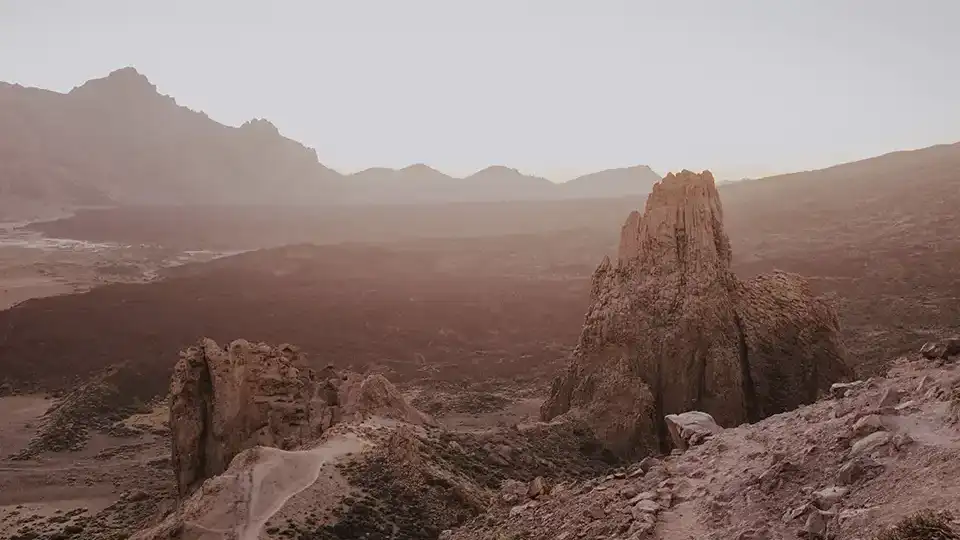
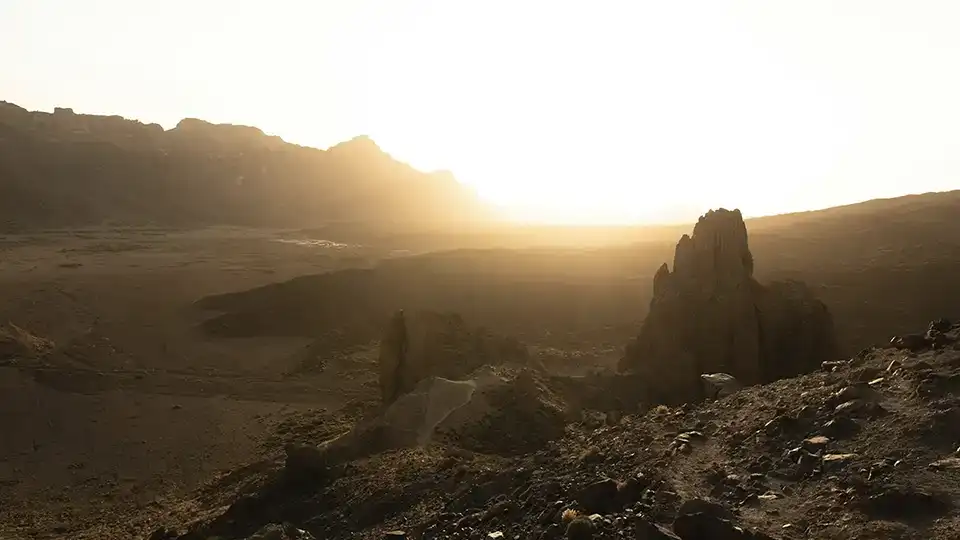
The landscape often reminds visitors of Mars or the Moon.
That’s because nearly every feature visible today has been shaped by volcanic activity over hundreds of thousands of years.
Ancient eruptions covered the area with lava, ash and volcanic debris. Later eruptions created new cones while erosion slowly sculpted the rock formations seen today.
This extraordinary geological history earned the park UNESCO World Heritage status in 2007.
What Makes Teide So Special?
Teide rises 3,718 metres above sea level, making it the highest mountain in Spain.
Yet its true scale is even more impressive.
Measured from the ocean floor, the Teide-Pico Viejo volcanic complex is among the tallest volcanic structures on Earth.
The park also protects one of the best-preserved volcanic landscapes in the world, making it an important destination for both scientists and nature lovers.
Which Places Should You Not Miss?
Roques de García
Perhaps the park’s most famous rock formations.
Millions of years of volcanic activity and erosion created these extraordinary towers, with Roque Cinchado becoming one of Tenerife’s best-known landmarks.
Llano de Ucanca
One of the largest volcanic plains in the Canary Islands.
Its vast open landscape changes dramatically depending on the sunlight, creating spectacular colours from sunrise to sunset.
Pico Viejo
Often overlooked by visitors focused only on Mount Teide.
Its enormous crater and surrounding lava fields reveal another chapter of Tenerife’s volcanic history.
The Sea of Clouds
One of the island’s most spectacular natural phenomena.
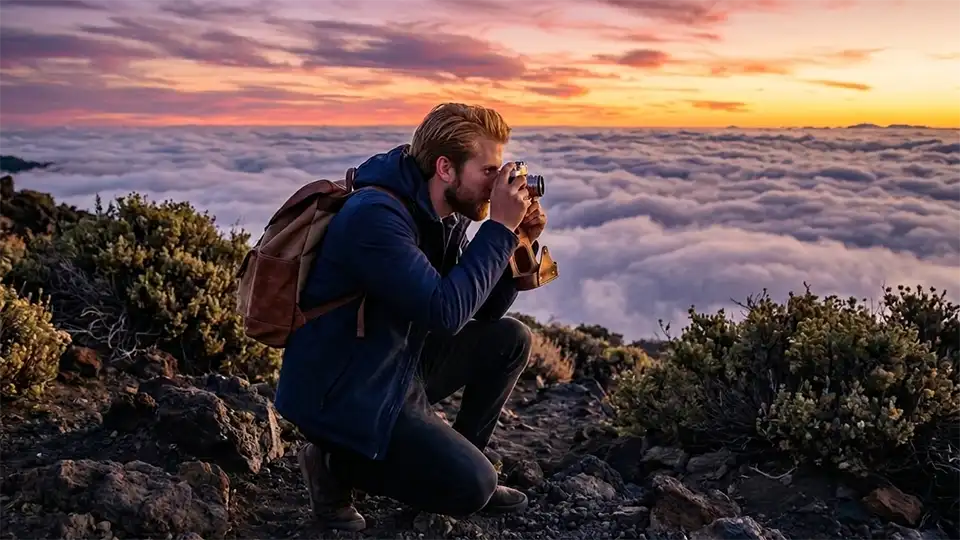
Trade winds frequently create a blanket of clouds below the park while the summit remains under clear blue skies.
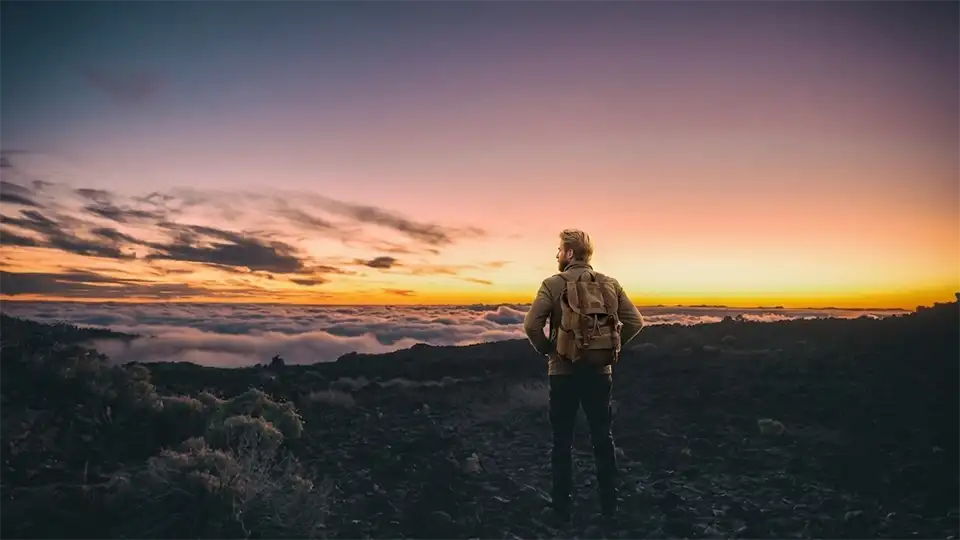
Watching Teide rise above the clouds is an experience many visitors remember long after leaving Tenerife.
Why Does the Landscape Feel So Different?
The colours.
The silence.
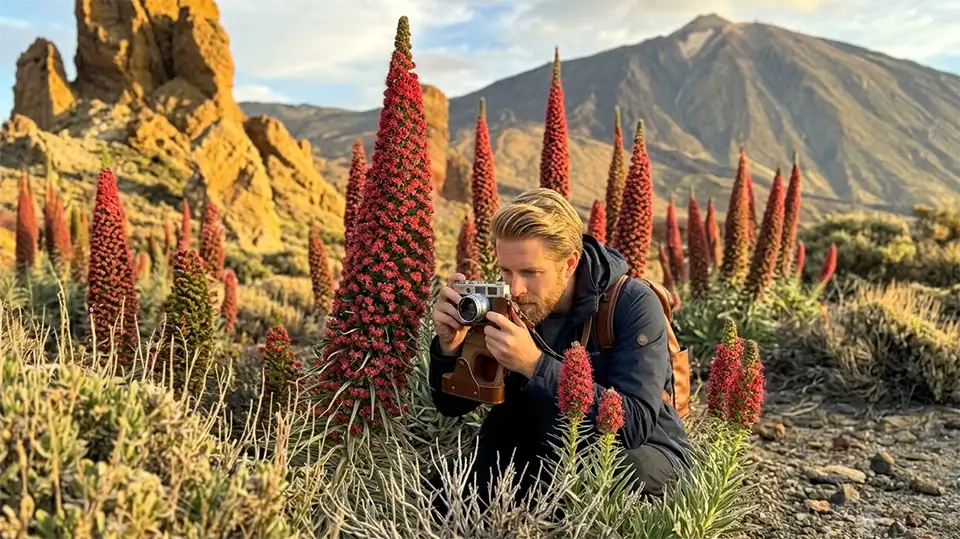
The unique endemic vegetation that has adapted to survive in this harsh volcanic environment.
The unusual rock formations.
Together they create an environment that feels almost extraterrestrial.
This is why Teide has been used for scientific research, astronaut training and film productions seeking landscapes that resemble other planets.
What Most Visitors Never Discover
Many people stop at a viewpoint, take a few photographs and continue driving.
But almost every lava field, volcanic cone and rock formation has its own story.
Some were created during violent eruptions.
Others are linked to the beliefs of Tenerife’s first inhabitants.
For the Guanches, Teide was known as Echeyde—the place where the powerful spirit Guayota lived.
Understanding these stories completely changes how the landscape is experienced.
Can You Explore Teide Without a Guided Tour?
Absolutely.
The park is well signposted and many of its viewpoints are easily accessible by car.
However, information panels only explain a small part of what you’re seeing.
Without context, many visitors leave without realising why one lava flow looks different from another, how enormous geological collapses shaped the caldera, or why certain rock formations survived while others disappeared.
Why I Chose a Self-Guided Audio Tour
When I visited Teide National Park, I wanted the freedom to stop whenever a landscape caught my attention, without following a group or a fixed schedule.
An audio guide turned out to be the perfect companion. I could pause whenever I liked, spend longer at my favourite viewpoints and simply skip the stops that interested me less.
What I appreciated most, though, was the context it added along the way. The stories behind the lava flows, the Guanche legends and the geological explanations made me look at the landscape very differently.
Instead of simply admiring spectacular scenery, I came away with a much better understanding of how this extraordinary place was formed—and why it has fascinated people for centuries.
Why Do So Many People Feel Teide Is More Than Just a Volcano?
The park is really a collection of stories hidden inside a volcanic landscape.
Its lava fields preserve the memory of ancient eruptions. Its rock formations reveal millions of years of geological change. Its clear skies have attracted astronomers from around the world. And long before modern science explained its origins, Tenerife’s first inhabitants believed the volcano was home to powerful supernatural forces.
The more you understand these layers of history, science and mythology, the more extraordinary every viewpoint becomes.
Teide National Park is one of those places that rewards curiosity.
The scenery is spectacular even if you know nothing about volcanoes. But the experience becomes far richer once you begin to understand what you’re looking at.
The geology, the Guanche traditions, the changing landscapes and even the night sky all tell different parts of the same story.
For travellers who enjoy discovering places independently while learning along the way, an audio guide adds a level of context that information panels and viewpoints simply can’t provide.
Some places impress you because they’re beautiful. Others because you understand them. Teide has the rare ability to do both.
Because once you know the stories behind the landscape, every stop in Teide National Park feels different.
-
ExperiencesExperiences
-
JournalJournal
-
GuideGuide
-
Terms&CreditsTerms&Credits