Anaga
Tenerife's Pirate Coast

Most visitors come to Anaga for its ancient laurel forest, spectacular viewpoints and wild Atlantic beaches.
Few realise they’re driving through what was once one of the most dangerous coastlines in the Canary Islands.
For centuries, these mountains were more than a beautiful landscape. They sheltered smugglers, protected isolated villages from pirate raids and overlooked one of the busiest shipping routes in the Atlantic. Today, the scenery remains almost unchanged—but most of those stories have been forgotten.
Is Anaga worth visiting?
Absolutely.
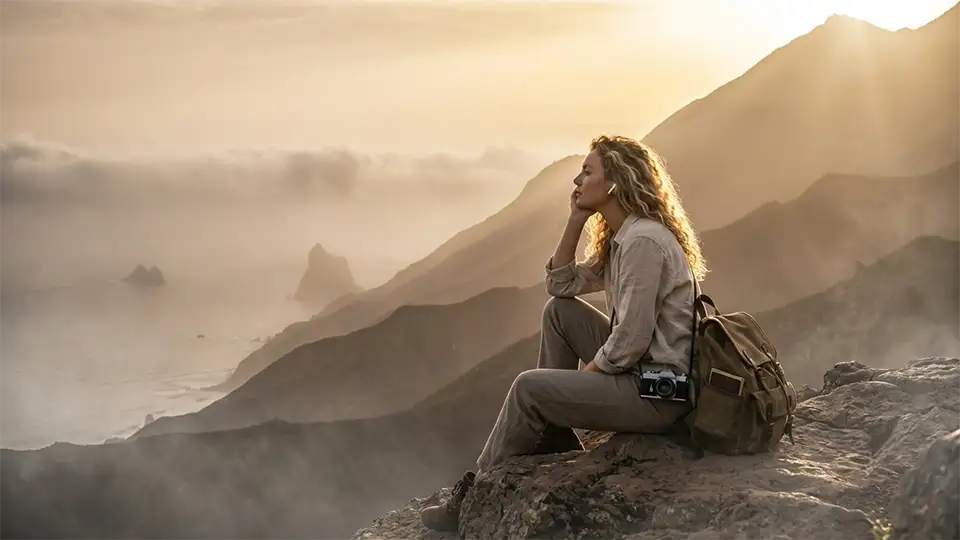
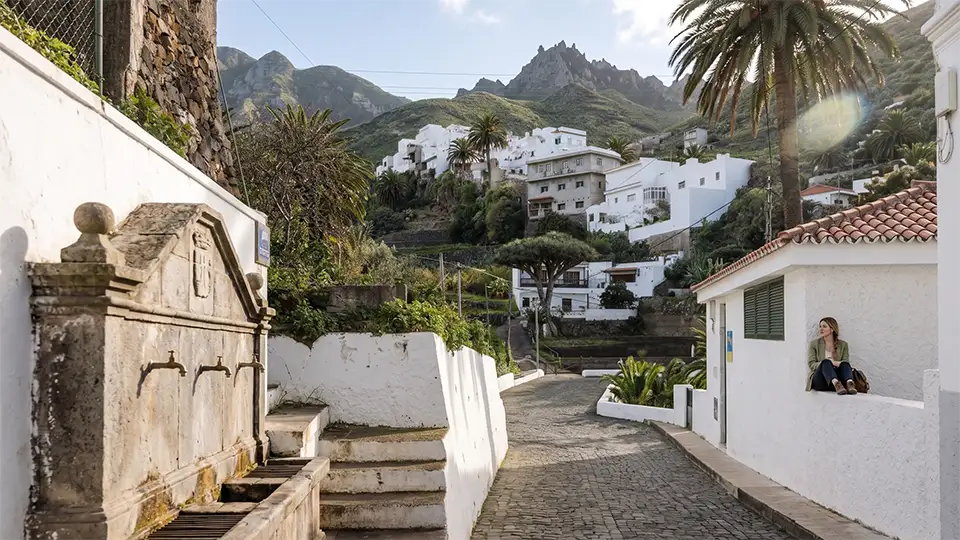
If you’re looking for the most dramatic scenery in Tenerife, Anaga should be at the top of your list. In just one day you can drive through misty forests, stop at panoramic viewpoints, visit centuries-old villages such as Taganana and end the day on some of the island’s most spectacular black sand beaches.
The roads are winding, but that’s part of the experience. Every few kilometres the landscape changes completely.
Can you explore Anaga in one day?
Yes.
Although hikers could spend several days exploring Anaga Rural Park, the highlights can easily be visited on a scenic road trip.
A typical route includes viewpoints such as Pico del Inglés and Bailadero, the village of Taganana, Roque de las Bodegas, Almáciga and Benijo Beach. Allow a full day if you want to stop for photographs, enjoy lunch by the sea and take a few short walks.
Why is Anaga called Tenerife's Pirate Coast?
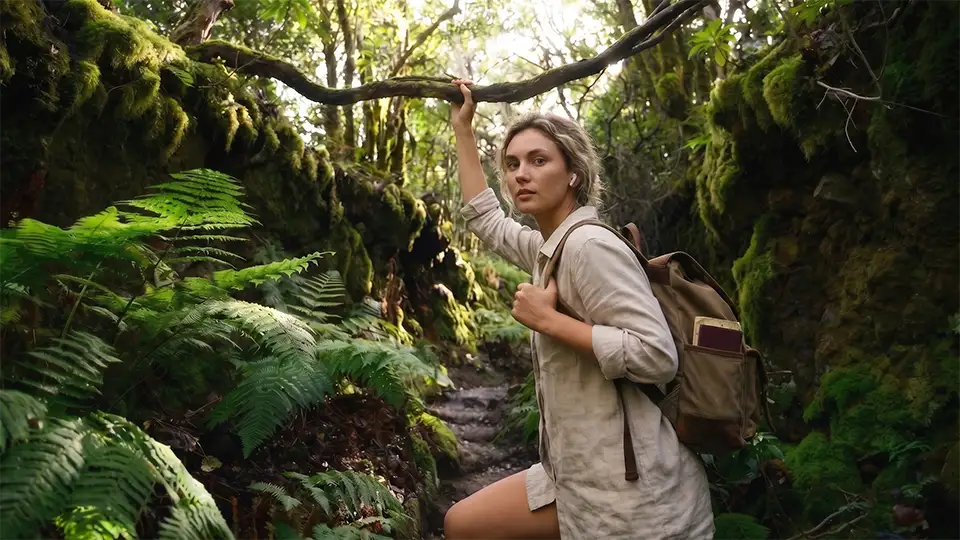
Today the coastline looks peaceful, but between the sixteenth and eighteenth centuries these cliffs, ravines and hidden coves formed an ideal refuge for pirates, privateers and smugglers navigating the Atlantic.
Merchant ships sailing between Europe and the Americas regularly passed close to Tenerife. Valuable cargoes attracted attacks, while Anaga’s rugged geography offered countless places to hide from both enemies and the authorities.
The same mountains that delight photographers today once helped entire communities disappear from view when danger arrived from the sea.
Is there really pirate history in Tenerife?
Yes—but perhaps not in the way many people imagine.
Tenerife wasn’t a pirate island in the Caribbean sense. Instead, it occupied a strategic position on the Atlantic trade routes, making it a frequent target for corsairs, naval expeditions and slave raids.
Historical figures connected with these waters include the famous corsair Amaro Pargo, one of Spain’s most successful privateers, and the legendary pirate Cabeza de Perro, whose life inspired countless local stories. British commanders such as Woodes Rogers and John Jennings also sailed near these coasts during attempts to challenge Spanish control of the island.
History and legend have become so intertwined in Anaga that it’s often impossible to know where one ends and the other begins.
What are the best places to visit in Anaga?
Most visitors agree on a few highlights:
- Pico del Inglés, one of Tenerife’s finest viewpoints.
- Taganana, one of the island’s oldest villages.
- Roque de las Bodegas, where volcanic scenery meets traditional fishing culture.
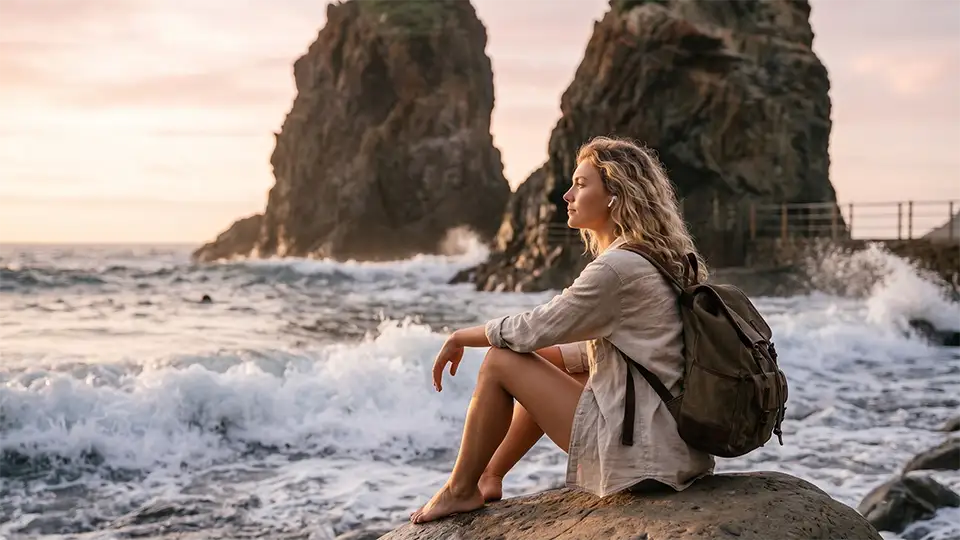
- Benijo Beach, famous for its dramatic sea stacks and unforgettable sunsets.
- Almáciga Beach, one of the wildest stretches of coastline in Tenerife.
Each stop has its own story. Some reveal traces of old trading routes. Others were linked to vineyards whose wines reached England centuries ago. One beach may look like the perfect place to watch the sunset, yet those same rocks once provided shelter for boats arriving under cover of darkness.
Are Anaga's beaches safe for swimming?
It depends on the conditions.
Several beaches along Anaga’s north coast are exposed to powerful Atlantic swells and dangerous rip currents, particularly Almáciga and Benijo. They are breathtaking places to visit, but always check local warnings, respect the flag system and avoid entering the water when the sea is rough.
Sometimes the best way to enjoy these beaches is simply to admire the scenery from the shore.
A journey that changes the way you see the landscape
I had driven through Anaga before.
Like most visitors, I admired the forest, stopped at the viewpoints and took photographs of the beaches.
On my latest visit, however, I tried a self-guided audio tour that focused not on directions but on the stories hidden behind the landscape. Instead of simply pointing out viewpoints, it explained why villages were built away from the coast, how smugglers moved through the mountains, why certain coves became legendary and how figures such as Amaro Pargo became part of Tenerife’s folklore.
What surprised me most wasn’t learning about pirates.
It was realising that almost every viewpoint, village and beach had a story I would otherwise have driven straight past.
After that, Anaga no longer felt like just another beautiful drive.
It felt like reading the landscape itself.
-
ExperiencesExperiences
-
JournalJournal
-
GuideGuide
-
Terms&CreditsTerms&Credits